By Graham Ruthven
In football, they say never go back, but it worked out fine for Carlo Ancelotti and Zinedine Zidane. Both managers were just as successful, possibly even more successful, in their second stints as Real Madrid boss, winning multiple titles to add even more silverware to the fullest trophy cabinet anywhere in Europe.
Something, however, feels different about José Mourinho’s impending return to the Bernabéu. 13 years after he last coached Madrid, The Special One is heading back in the Spanish capital, although it’s unclear if he’s still so special. It’s been a long time since Mourinho was at the forefront of modern management.
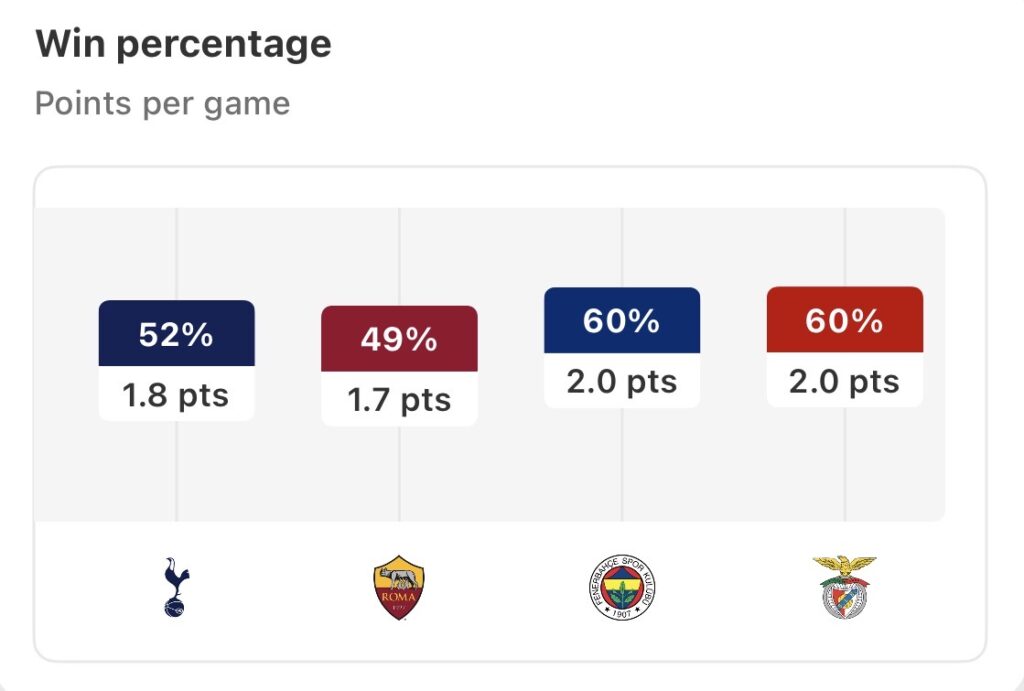
The game has left Mourinho behind. Over a decade has passed since he last won a league title with the Portuguese’s ideas and methods now widely seen as antiquated. What used to work so well for Mourinho now makes him appear a relic of a bygone era. At Manchester United, Tottenham Hotspur, Roma, Fenerbahçe and Benfica, Mourinho’s reputation counted for little.

And yet Real Madrid, and Pérez in particular, are counting on that reputation being the thing that points them in the right direction again. Mourinho’s appointment is a gamble on the power of personality. It’s a bet that the 63-year-old will have the aura and natural authority to succeed where Xabi Alonso and Álvaro Arbeloa failed last season.
Real Madrid tried to modernise. At least that was the impression they gave by hiring Alonso last summer. Considered one of the sharpest tacticians anywhere in Europe having led Bayer Leverkusen to Bundesliga glory, Alonso’s appointment was meant to herald a new age for Los Blancos.
Quickly, though, Alonso ran into some problems. His high-intensity approach wasn’t a natural fit for the group of players he inherited. What’s more, the former midfielder struggled to win over many of the dressing room’s biggest egos, most notably falling out with Vinícius Júnior who pushed back against Alonso.
Cliques developed and Alonso found himself in the middle of a situation that ultimately led to his departure after only seven months. There wasn’t much improvement under Arbeloa either as multiple training ground bust-ups broke out, including one which hospitalised Fede Valverde with a brain injury.

At his peak, Mourinho was a player’s coach. His players played for him. When Mourinho left Inter Milan after winning the Treble, Marco Materazzi cried on his shoulder. The likes of Didier Drogba, Frank Lampard and John Terry all felt intense loyalty to the Portuguese at Chelsea.
And yet in his first spell as Real Madrid boss, something changed in Mourinho. He became more combative inside his own dressing room. Iker Casillas got on Mourinho’s wrong side and ended up out of the team, and ultimately out of the club. It mattered little that Casillas was a legend.
Overwhelmed by the pressure put on him by Pep Guardiola and his great Barcelona side, Mourinho buckled. He lost his cool (see the eye-poke on Tito Vilanova) and his way. Mourinho left Real Madrid having won LaLiga once, achieving his goal of toppling Barca, but he was never the same manager, or person, after that.
If Real Madrid’s best players weren’t willing to accept Alonso after his recent success of winning the Bundesliga as a manager, what will they see in Mourinho? Will they see him for the coach who led Porto and Inter to European glory against the odds or the increasingly bitter yesterday’s man chasing past triumphs?
Kylian Mbappé was 12 the last time Mourinho won the Champions League. Jude Bellingham was seven. Have they ever seen Mourinho as special? What is it about the Portuguese’s recent record that says to Florentino Perez that Real Madrid’s highest-paid players will respond to him?
Tactically, Mourinho might not be the worst fit. He will set up Real Madrid to play with a low line of confrontation. Mbappé and co. won’t be asked to press from the front. Instead, Real Madrid will play on the counter-attack to get the best out of their speedy attackers in open space. It will be a back-to-basics approach.
This summer must be a busy one for Real Madrid if they are to stand any chance of catching Barcelona next season. They must finally find a long-term successor for Toni Kroos as the pace-setter in midfield. A new central defender is also a must with their current contingent at the back too injury prone to be relied upon.
Maybe Mourinho will remind us all why he was once so revered. Ancelotti and Zidane have set the precedent for him to follow as a returning Real Madrid manager. Whether or not Mourinho succeeds, however, could be determined by the same players who gave up on the last guy, and the guy before that, in the job.
(Images from IMAGO)
You can follow every Real Madrid game on FotMob – with in-depth stat coverage, including xG, shot maps, and player ratings. Download the free app here.
Add FotMob as a preferred news source on Google by clicking – here.
PakarPBN
A Private Blog Network (PBN) is a collection of websites that are controlled by a single individual or organization and used primarily to build backlinks to a “money site” in order to influence its ranking in search engines such as Google. The core idea behind a PBN is based on the importance of backlinks in Google’s ranking algorithm. Since Google views backlinks as signals of authority and trust, some website owners attempt to artificially create these signals through a controlled network of sites.
In a typical PBN setup, the owner acquires expired or aged domains that already have existing authority, backlinks, and history. These domains are rebuilt with new content and hosted separately, often using different IP addresses, hosting providers, themes, and ownership details to make them appear unrelated. Within the content published on these sites, links are strategically placed that point to the main website the owner wants to rank higher. By doing this, the owner attempts to pass link equity (also known as “link juice”) from the PBN sites to the target website.
The purpose of a PBN is to give the impression that the target website is naturally earning links from multiple independent sources. If done effectively, this can temporarily improve keyword rankings, increase organic visibility, and drive more traffic from search results.